Commercial Waste Removal in Ruislip
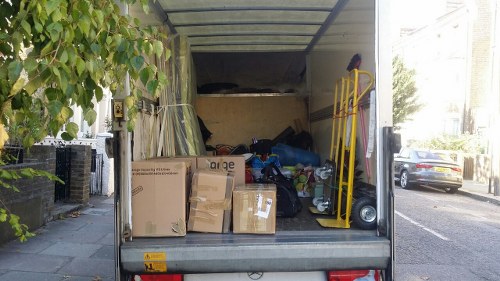
Commercial waste removal in Ruislip helps offices, shops, hospitality venues, workshops and managed premises keep on top of unwanted materials without disrupting day-to-day trading. We handle routine clearances and one-off collections for mixed business waste, bulky items and recyclables, with a practical service built around the type of waste your operation produces. If you need a straightforward route from busy premises to a tidier working environment, this service brings the collection, loading and disposal steps together in one place.
Our approach is centred on sorted, lawful disposal and sensible handling of the items collected. Where waste streams need separating, we can plan for that before the visit so the load is easier to manage and the right materials can be directed appropriately. For businesses comparing options, the clearest starting point is usually the volume, the kind of waste, and how access works at the property. Use the service that matches the waste you actually produce, rather than over-ordering a larger collection than you need.
For a quotation, tell us what needs removing and when you would like it handled. If you already know your premises has recurring waste or an occasional backlog, that is useful to share at the outset. The more clearly the waste type is described, the easier it is to shape a sensible collection plan and keep the process efficient from the first enquiry to the final load.
Business Waste Collections and Ongoing Clearance
Commercial waste removal is often used for more than a single tidy-up. Many businesses need a recurring or periodic clearance that covers general office waste, packaging, outgrown stock, unwanted fixtures or mixed items from storage areas. We can support these needs with collections that are planned around premises access, occupancy patterns and the type of material being cleared. That makes it easier to keep back-of-house areas, stock rooms and shared spaces usable.
When a workplace builds up more waste than ordinary bins can handle, a targeted collection can be a better fit than leaving materials to accumulate. Business waste removal is especially relevant where there are larger volumes, varied material types or a need to clear several areas at once. The collection can be tailored to the load in front of you, whether it is bags, loose items, cardboard, shelving offcuts or outdated equipment waiting to go.
What a commercial collection can cover
Different premises produce different waste profiles, so a good service should be flexible without becoming vague. A single visit might include bagged waste, cartons, packaging wrap, dismantled furniture, redundant fittings or mixed non-hazardous items. In some cases, the most efficient plan is to group items by category before collection; in others, a straightforward mixed load is more practical. The key is to make the waste easier to move without asking the business to do unnecessary sorting work.
Office Waste Removal for Workspaces and Back Offices

Offices often need a calmer, more controlled clearance than a general household-style tidy-up. Office waste removal can involve desk clearances, old filing, boxed archive material, broken chairs, redundant storage pieces and packaging left after deliveries, relocations or refurbishments. We help businesses clear what no longer has a place in the workspace while keeping attention on access routes, shared areas and items that may need careful handling.
Some projects benefit from a careful walkthrough of the load before anything is moved. That is particularly useful where furniture, documents and electronic items are mixed together. Office clearance is a suitable page to explore if the task involves more than a simple rubbish pick-up and you need the space returned to normal use with minimal disruption. For many organisations, the real value lies in removing awkward items cleanly rather than trying to fit them into day-to-day waste routines.
Common office items include worn seating, reception furniture, filing units, loose paperwork, packaging, display items and obsolete store-room contents. If the site also includes meeting rooms, shared kitchens or storage cupboards, those areas can be planned into the same visit. A measured clearance makes it easier to keep useful items separate from material that has reached the end of its life.
Office Clearance, Shredding and Sensitive Material
Some commercial clearances need more than lifting and loading. Businesses dealing with files, archived records, printed paperwork or sensitive paper waste often need a process that respects confidentiality as well as general disposal rules. Where appropriate, confidential material can be managed separately from ordinary waste so it does not become mixed into an unsuitable load. That adds clarity to the collection and helps businesses deal with unwanted documents responsibly.
If your requirement includes secure paper disposal, the service can sit alongside a more general clearance plan rather than replacing it. Confidential shredding is useful where documents, records or paper-based information need a distinct route out of the premises. This may be part of a one-off office change, a storeroom clean-out or an ongoing housekeeping routine. The objective is to keep sensitive material identifiable and away from unrelated rubbish.
Planning around access and loading
Before a collection, it helps to think about entrances, stairs, lifts, loading points and any items that need to be moved from upper floors or internal rooms. Clear access information supports a smoother visit and reduces avoidable handling. If a building has reception controls, parking limits or narrow routes, those points should be noted during the quotation stage so the work can be planned properly and the correct time window can be allowed.
Furniture Disposal and Furniture Clearance
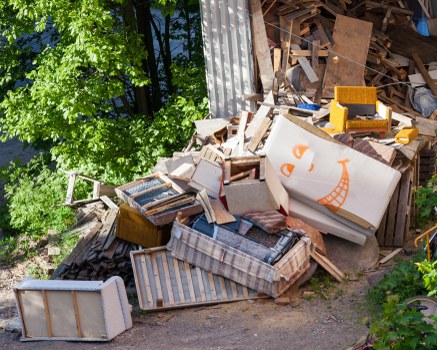
Commercial premises regularly need bulky furniture taken away, especially when layouts change or older fittings are replaced. Furniture disposal covers items such as desks, chairs, cabinets, shelving, tables and storage units that are no longer required. In many cases, the main challenge is not the waste itself but the size, awkward shape or location of the items. A planned removal keeps the process manageable and avoids clutter building up around staff or customers.
For larger room-by-room work, furniture clearance is a useful option when several pieces need removing together rather than as isolated items. That can suit office refurbishments, retail refits, landlord clean-outs and back-of-house changes where fixed furniture has been stripped out or is ready to be replaced. The service is most effective when the load is described clearly, because bulky items often affect the vehicle space and the handling time more than loose waste does.
It can help to decide in advance whether items are to be taken as one mixed load or separated into categories such as reusable, recyclable and general waste. That choice does not need to be complicated, but it should be deliberate. A measured approach means the collection is easier to organise and the resulting clearance is less disruptive to the day’s work.
Hazardous and Specialist Waste Considerations
Not every commercial load can be handled in the same way. Some materials require additional care, and others may need to be excluded from a standard collection altogether. The most important point is to identify the material correctly before booking, because specialist waste should never be left to guesswork. Businesses should be direct about anything that is damaged, leaking, contaminated or likely to need special handling.
If your premises generate materials that are not ordinary mixed rubbish, it is worth checking the correct route before arranging removal. Hazardous waste disposal is the appropriate subject where a load may include items needing particular treatment or separation. That can apply in workshops, plant rooms, storage areas or certain commercial settings where ordinary collections are not suitable. Clear descriptions at enquiry stage help avoid delays and prevent unsuitable material from being placed with general waste.
When specialist handling matters
Some loads are straightforward but others need a more cautious approach because of their contents or condition. The practical response is to separate anything questionable from the rest of the clearance and confirm the correct method for taking it away. A business does not need to become an expert in waste categories, but it does need to flag any items that are unusual. That keeps the service honest, safer and easier to organise.
Appliance Removal and Mixed Commercial Refuse
Commercial premises sometimes need old appliances, cooling units or other bulky equipment removed alongside general rubbish. Fridge and appliance removal is useful when kitchens, staff rooms, catering areas or support spaces contain items that are too large or inconvenient for normal waste handling. The removal plan should take account of size, weight, location and whether items are built in or free-standing, because those details affect how the collection is arranged.
Where appliances are only part of the job, they can be included in a broader clearance of unwanted stock, packaging or furniture. Fridge and appliance removal provides a more focused route for those items, while the wider commercial collection deals with the rest of the load. This is especially useful for premises that are being reconfigured, refreshed or emptied in stages, because not every item in a room has to follow the same disposal path.
Good planning can also avoid confusion between reusable equipment, recyclable material and items that have simply reached the end of their working life. If appliances are still connected or difficult to access, that should be made clear before the visit. A well-described load is easier to assess and easier to remove without unnecessary disruption.
Recycling, Sorting and Responsible Disposal
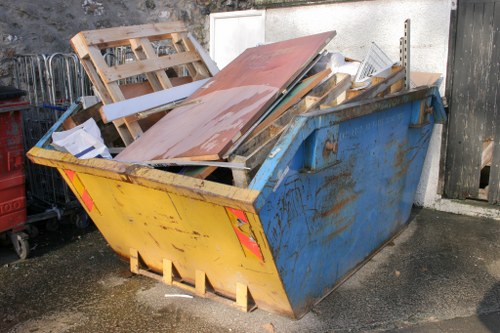
Commercial waste removal works best when the collected material is handled with care after it leaves the premises. Not everything needs the same destination, and sorting can improve how a load is treated once collected. Paper, cardboard, metal, some furniture parts and certain plastics may be suitable for different routes, while mixed waste requires a more general disposal process. The useful point for businesses is that better sorting tends to support better control.
We can discuss the make-up of the load before collection so the right approach is used from the start. Recycling and sustainability is a relevant page if you want to understand how materials can be directed more carefully, especially where there is a regular stream of packaging or office-related waste. It is sensible to look at the materials themselves rather than assume every item belongs in the same category. That is a practical decision, not just an environmental one.
Why categorising the load helps
- It can simplify loading when similar materials are grouped together.
- It may reduce the chance of useful items being mixed with general refuse.
- It helps the collection plan reflect the actual waste type rather than a vague estimate.
- It supports a clearer quotation because the volume and material mix are easier to assess.
Price Factors, Quotation Details and Practical Planning
Commercial waste removal pricing is usually shaped by the amount of material, the type of waste, access to the site and whether the job includes bulky or awkward items. A few bags of mixed waste is a very different task from clearing office furniture, appliances or several rooms of accumulated stock. That is why a good quotation depends on accurate information rather than guesswork. The clearer the description, the more reliable the plan tends to be.
Before booking, it is helpful to note what is being removed, where it is located and whether anything needs dismantling or carrying through tight spaces. Photographs or a short inventory can make that process easier when the load is not simple to describe. If there are stairs, restricted parking points, access codes or time limitations, mention those too. Pricing and quotes is the natural next step when you want to compare the job against the amount and type of waste involved.
Useful information to include is the approximate number of items, the rooms or areas involved, whether the waste is mixed or separated, and any parts that require special care. This keeps the enquiry practical rather than overcomplicated, and it helps avoid back-and-forth later. A concise description is often enough to set the collection on the right path.
About Ruislip
Ruislip is a historic town in the London Borough of Hillingdon, in the west of Greater London. Its story is visible in a landscape that still combines village traces with suburban development, open green space and transport links. The old parish church of St Martin dates back to the 13th century, while Manor Farm is one of the area’s best-known historic sites, with buildings that reflect different periods of settlement and civic use. Ruislip Lido, created from an 1811 reservoir, became a distinctive local leisure landscape, and the surrounding woodland and shoreline give the place a noticeably varied edge for an outer-London district. Ruislip Woods, which includes ancient woodland, is an important part of the local character and provides a strong contrast to the built-up centres nearby. The area is also associated with the Colne Valley, long part of the wider pattern of rivers, channels and water management in west London. Ruislip station links the town to both the Metropolitan and Piccadilly lines, reinforcing its position as a settled commuter district while retaining clear evidence of earlier rural and ecclesiastical development. Shops, civic spaces and residential streets spread outward from the traditional centre, but the older historic fabric remains easy to trace in the church, farm complex and surviving green spaces. The result is a locality with layered history rather than a single defining period, shaped by land use, transport and conservation as much as by modern suburban growth.
Garage, Loft and Household-Style Clearances for Business Premises

Commercial premises are not limited to desks and stock rooms. Many sites also contain garages, loft spaces, storage cupboards or domestic-style areas that have accumulated unwanted items over time. Garage clearance can include tools, offcuts, crates, old fittings, spare furniture and general clutter that no longer serves the property. For small businesses operating from mixed-use buildings, these zones are often the places where things are kept “for now†and then forgotten.
Where material has built up above or below the main work areas, garage clearance and related clearance services can be a sensible way to clear space without disturbing the rest of the building. Loft clearance is relevant where access is awkward or items have been stored for a long time and need careful handling. The same principle applies to home-style rooms in rented or managed properties when they are used for business storage or support functions.
For a clear, simple arrangement, choose the service that matches the space and the waste type, then give a plain description of what has to go. If you would like to move ahead, request a quotation here and we will use the details to shape a practical collection plan.