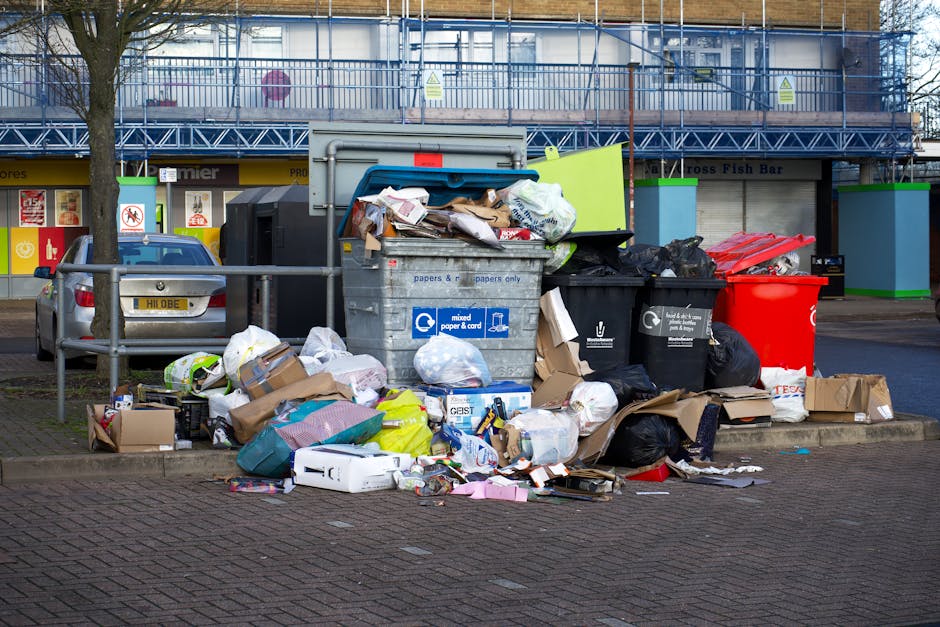
Ruislip High Street rubbish removal guide for busy shops
Running a shop on Ruislip High Street means every square foot matters. Boxes build up fast, back storage fills before you've even finished the week, and one awkward pile of waste can make the whole place feel cramped, untidy, and harder to trade from. This Ruislip High Street rubbish removal guide for busy shops is here to make the job simpler: what to remove, how to plan it, what to avoid, and how to keep disruption low when you're already juggling customers, deliveries, staff rotas, and the usual last-minute surprises. Truth be told, waste is often one of those jobs people leave until it becomes a problem. That's exactly when it starts costing time.
If you want a shop floor that feels cleaner, safer, and easier to work in, the trick is not just getting rid of rubbish. It's having a process that fits a busy trading day. Below, you'll find practical guidance written for real shop owners, managers, and team members who need things done properly without turning the whole street into a staging area. A bit boring? Maybe. Very useful? Absolutely.
Table of Contents
- Why rubbish removal matters on Ruislip High Street
- How the rubbish removal process works
- Key benefits and practical advantages
- Who needs this and when it makes sense
- Step-by-step guidance for busy shops
- Expert tips for better results
- Common mistakes to avoid
- Tools, resources and recommendations
- Law, compliance, standards and best practice
- Options, methods and comparison table
- Case study or real-world example
- Practical checklist
- Conclusion
- Frequently asked questions
Why Ruislip High Street rubbish removal guide for busy shops Matters
High street shops live and die by presentation. Customers notice the windows, the doorway, the queue space, the smell, the floor, the storage area, the bins outside. They notice more than we like to admit. A small backlog of cardboard or broken fixtures can make a tidy shop look chaotic, and a cluttered service area can slow down staff in ways that are hard to see until you're in the middle of a busy Saturday.
On a street like Ruislip High Street, rubbish removal also affects how smoothly your business interacts with the surrounding area. Deliveries need access. Pedestrians need clear paths. Neighbours and nearby businesses don't want waste left in the wrong place at the wrong time. For shops with regular stock turnover, seasonal promotions, or refurbishment work, waste management becomes part of daily operations rather than a once-in-a-while tidy-up.
There's also the cost of delay. Old display units, damaged shelving, obsolete packaging, backroom clutter, and worn-out furniture don't just occupy space; they steal working room. That can mean slower stock handling, less room for staff movement, and a more stressful opening routine. And let's face it, no one wants to start a morning with a pile of flattened boxes leaning into the fire exit.
Key takeaway: for busy shops, rubbish removal is not a cosmetic task. It's part of trading well, staying safe, and keeping the business easy to run.
How Ruislip High Street rubbish removal guide for busy shops Works
For most shops, rubbish removal works best as a repeatable process rather than an emergency clean-up. You identify the waste, separate what needs special handling, decide when it can be collected, and arrange clearance in a way that avoids interrupting customers or deliveries.
In practical terms, the process often looks like this:
- Identify the waste stream. Is it mainly cardboard, packaging, old fittings, office waste, broken stock, or mixed commercial rubbish?
- Sort anything that needs separation. Recyclables, confidential material, electrical items, and any potentially hazardous items should not just be thrown into a general pile.
- Choose the right clearance method. For some shops, a dedicated commercial waste service is the simplest route. For others, one-off waste removal is enough after a refit, clearance, or stock reset.
- Schedule around trading hours. Early morning, late evening, or quieter midweek windows are usually easier than trying to shift waste at peak footfall. Not glamorous, but it works.
- Make access simple. Clear the route from back room to vehicle area, note any parking restrictions, and keep waste stacked safely so no one is tripping over it.
- Confirm what happens after collection. Responsible disposal, recycling, and sorting matter just as much as getting the waste out the door.
If your waste includes old office chairs, shelving, shop furniture, or staff-room items, a broader clearance approach can help. For example, businesses often pair waste removal with office clearance or furniture disposal when they are replacing worn items rather than simply emptying bins.
Busy shops also benefit from understanding what can and cannot be placed in a skip or mixed load. If you use any container-based option, it helps to check what can go in a skip so the load is planned properly from the start. That small bit of prep can save a very annoying conversation later.
Key Benefits and Practical Advantages
Good rubbish removal is one of those behind-the-scenes improvements that quickly shows up everywhere else. When the waste is under control, the business tends to feel calmer. Staff move better. Floors stay clearer. The shop looks more professional. And the whole place becomes easier to keep on top of.
Less disruption during trading hours
A planned clearance is less disruptive than a series of small, unplanned waste trips. You avoid constant bin juggling, reduce clutter in customer-facing areas, and stop waste from spreading into storage or prep spaces.
Better use of valuable space
In a compact retail environment, one unused corner can become a lifeline. Getting rid of old packaging, damaged fixtures, and dead stock opens up space for actual operations. That matters even more during seasonal trading, when stock levels rise and every shelf has a job to do.
Cleaner first impressions
Customers might not comment on waste management, but they do notice when a shop feels orderly. A clean back-of-house area often supports a cleaner front-of-house area too. It's a chain reaction in a good way.
Reduced safety risks
Loose boxes, unstable piles, broken fittings, and awkwardly stored items create trip hazards and block access routes. Waste removal reduces the chance of those problems building up quietly over time.
More predictable operations
Once a clearance routine is set, staff know where items go, when waste gets collected, and what to do with larger items. That kind of rhythm is underrated. It makes busy days feel manageable.
Better recycling outcomes
When waste is sorted properly, more of it can be diverted from general rubbish. Shops often produce lots of cardboard, shrink wrap, packaging, and old display items, so a sensible sorting process can support a more efficient recycling approach. If sustainability matters to your business, it is worth reviewing recycling and sustainability alongside your clearance plan.
| What gets removed | Why it matters | Typical shop scenario |
|---|---|---|
| Cardboard and packaging | Keeps aisles and stockrooms clear | After deliveries, promotion changes, or busy weekends |
| Old fixtures and fittings | Frees usable storage and display space | Refits, rebrands, layout changes |
| Broken furniture | Removes hazards and clutter | Staff room chairs, counter seating, storage units |
| Mixed commercial waste | Stops bins overflowing and reducing hygiene | Weekly trade waste pressure |
Who This Is For and When It Makes Sense
This guide is for shop owners and managers who need waste handled without derailing the trading day. That includes independent retailers, convenience shops, salons, cafes with retail space, specialist boutiques, service counters, and businesses that keep stock, packaging, and fittings on-site.
It also makes sense if you're dealing with any of the following:
- a stockroom that has become a catch-all space
- a post-refurbishment clear-out
- broken display fixtures or old shelving
- too much cardboard after deliveries
- old office furniture or staff-room items
- confidential paper that needs secure disposal
- equipment changes, including fridges or appliances
Sometimes the need is seasonal. Christmas, sale periods, summer stock, back-to-school, and post-holiday clear-outs all create the same problem in different clothing. The waste piles up faster than expected, and by the time someone says "we should probably deal with that", the back room already looks like a small warehouse had a rough week.
It's also relevant if you're coordinating with landlords, fit-out contractors, or neighbouring premises. In these cases, a more coordinated clearance may be useful than a simple bin uplift. Businesses sometimes combine waste removal with builders waste clearance when there has been construction, partition removal, or shop improvements.
Step-by-Step Guidance
Here's a practical way to manage rubbish removal on a busy high street without turning it into a headache.
1) Walk the shop like a customer and a staff member
Start from the entrance and move through the store. Then do the same from the back room. Look for where waste is collecting: beside tills, under counters, near stock cages, by the fire exit, in the packing area, or in any "temporary" corner that has become permanent.
2) Separate waste by type
Keep cardboard, general waste, reusable items, electricals, and anything special apart where possible. If confidential documents are involved, do not mix them with general rubbish. That needs its own process, and secure handling is the safer route. For that type of waste, confidential shredding may be the sensible option.
3) Flag awkward or restricted items early
Some things are simple to remove. Others are not. Fridges, appliances, bulky furniture, and certain waste types need more care. If you're dealing with broken chillers, undercounter fridges, or shop appliances, check fridge and appliance removal rather than assuming they can go out with ordinary waste.
4) Set a time window that suits trading
Early mornings before opening, later evening slots, or low-footfall days tend to work best. If your shop gets a rush at lunch or after school, avoid those periods. Sounds obvious, but people still miss it.
5) Clear access before the team arrives
Waste removal is faster when the route is clear. Move obstacles out of hallways, unlock rear access points, and make sure staff know where items are being gathered. It can save a surprising amount of time. And a lot of huffing.
6) Confirm disposal and recycling expectations
Ask what will happen to the waste after collection. A responsible provider should be able to explain how different materials are handled, particularly if you need a cleaner recycling outcome or safer disposal for certain items. For wider service context, many businesses also look at business waste removal and waste removal when setting up an ongoing routine.
7) Review the result and reset the system
Once the waste is gone, do a quick reset. Label storage zones, set a cardboard break-down point, and decide what happens to damaged stock or dead fixtures in future. That last step makes the next clearance easier, which is the whole point really.
Expert Tips for Better Results
Small changes make a big difference in shop waste management. In our experience, the shops that stay tidy are not necessarily the quietest or the biggest. They just have a better routine.
- Create a waste staging point. One place for flattened cardboard, one for general waste, one for items waiting for collection. It stops rubbish drifting everywhere.
- Use collection days as a reset trigger. When waste is removed, tidy the surrounding area immediately. Don't let the same mess creep back in by Friday.
- Keep bulky items off the floor where possible. If something is waiting for disposal, store it neatly and safely so staff can still move freely.
- Train staff on what not to mix. A bit of basic guidance prevents electrical items, hazardous materials, and confidential papers from ending up in the wrong pile.
- Book before the pressure hits. If you know a refit, sale, or delivery cycle is coming, arrange removal early. Availability always feels tighter when you leave it to the last minute. Funny how that works.
- Use sustainability as a planning filter. If you can reuse, donate, recycle, or separate materials more intelligently, you'll usually end up with a cleaner and more cost-effective process.
A useful rule of thumb: if an item is awkward, heavy, sharp, wet, or likely to cause confusion, deal with it separately rather than shoving it into the nearest rubbish pile. The extra minute is worth it.
Common Mistakes to Avoid
Most waste problems in shops are not dramatic. They're little oversights that snowball.
Leaving waste until it blocks workflow
The biggest mistake is waiting too long. Once waste starts narrowing walkways or filling the stockroom, staff spend more time working around it than clearing it properly.
Mixing everything together
Cardboard, general waste, electricals, fixtures, and confidential material should not all end up in one place. It creates avoidable sorting problems and can complicate disposal.
Ignoring bulky item planning
A single counter, fridge, or display unit can take far more effort than expected. If a clearance involves larger items, plan access and handling before collection day.
Forgetting safety and access routes
Waste piled near exits, corridors, or service doors is more than messy. It can also create a practical and safety issue, especially during busy opening hours or stock movement.
Assuming every waste type is the same
It isn't. Some items need specialist handling, and some should never go into general trade waste. Hazardous items need separate thought. If you are not sure, check hazardous waste disposal before doing anything else.
Not checking payment and process details
For busy shops, admin matters. You want to know what's included, how payment is handled, and whether the process is straightforward. A quick review of payment and security and pricing and quotes can avoid awkward surprises.
Tools, Resources and Recommendations
You do not need a mountain of equipment to manage shop rubbish properly, but a few simple tools make the whole thing smoother.
- Heavy-duty bin bags for general waste and smaller broken items
- Cardboard cutters and tape dispensers to break down packaging neatly
- Labelling tape or marker pens for sorting waste streams
- Gloves and basic protective kit for staff handling sharp or dusty items
- A simple stockroom layout plan to mark waste holding zones
- A collection schedule for recurring trade waste or seasonal clear-outs
If your shop uses back-office space too, keeping an eye on office clutter helps. Paper archives, old chairs, desk units, and boxed equipment can quickly eat into usable room, so pairing shop clearance with office clearance can be genuinely helpful.
For business owners who value responsible practices, it is also sensible to understand how a provider handles sustainability, customer care, and safe working. Pages like recycling and sustainability, health and safety policy, and insurance and safety can give you a clearer picture of standards and expectations.
Law, Compliance, Standards and Best Practice
Commercial waste needs to be handled carefully. You do not need to become a compliance expert overnight, but you do need to treat business waste differently from household rubbish. That's the simple truth of it.
Best practice usually includes:
- separating business waste from household waste
- keeping waste secure and not leaving it where it could cause a hazard
- sorting recyclable materials where practical
- handling potentially hazardous or electrical waste appropriately
- keeping clear records or paperwork where your waste arrangements require it
If you store waste on-site, think about fire exits, public access, pest control, and staff movement. Waste should not interfere with normal operations or emergency routes. That sounds obvious until you see how quickly cardboard can spread across a back corridor after a busy delivery morning.
For items with special handling requirements, such as appliances or materials that could be harmful, do not guess. Use a provider or process that is designed for that waste type. It is also worth checking the terms of service, especially if you want to understand what is included and what restrictions apply. The pages terms and conditions and modern slavery statement can help reinforce expectations around transparency and responsible trading.
Best practice in plain English: keep rubbish sorted, keep access clear, keep risky items separate, and never treat commercial waste like an afterthought.
Options, Methods and Comparison Table
Busy shops usually choose between a few practical waste-removal methods. The best one depends on volume, item type, frequency, and how much disruption you can tolerate.
| Method | Best for | Pros | Watch-outs |
|---|---|---|---|
| Ongoing business waste collection | Regular trade waste and packaging | Predictable, tidy, low effort | Can struggle with bulky or one-off items |
| One-off waste removal | Refits, clear-outs, seasonal reset | Flexible, fast, good for mixed loads | Needs good planning around access and timing |
| Bulky item or furniture disposal | Old counters, chairs, fixtures | Ideal for large shop items | May require extra handling and access preparation |
| Specialist disposal for restricted items | Appliances, hazardous or sensitive waste | Safer, more appropriate for the material | Needs correct identification in advance |
For shops that refresh interiors, signage, seating, or layout, combining methods can be the smartest route. A business might use regular trade waste collection for daily rubbish, then a one-off clearance for obsolete displays or storage furniture. That's often the cleanest balance between convenience and cost.
Case Study or Real-World Example
Picture a small independent shop on Ruislip High Street just after a mini refit. The owner has new shelving, a few replacement display units, a pile of cardboard from deliveries, and several old chairs from the staff area. The back room is tight, the till queue gets busy after lunch, and there's no spare space for waste to sit around.
Instead of letting the clutter linger for another fortnight, the shop manager breaks the waste into three groups: packaging, bulky furniture, and small general rubbish. Conflicting items are kept separate, the rear access route is cleared before opening, and the team plans the collection for an early slot when footfall is quiet. The result? No blocked walkway, no scramble during the lunch rush, and no one having to drag a chair through a queue of customers. Simple, really, but it changes the feel of the whole day.
What made it work was not fancy equipment. It was preparation, sorting, and timing. That's the pattern you see again and again in good commercial waste management. A little order up front saves a lot of faff later.
Practical Checklist
Use this checklist before arranging rubbish removal for a busy shop:
- Have you identified exactly what needs removing?
- Have you separated cardboard, general waste, furniture, appliances, and any sensitive items?
- Are there any hazardous or restricted items that need special handling?
- Is the route from storage area to collection point clear?
- Have you chosen a collection time that avoids peak trading hours?
- Do staff know where to place waste before pickup?
- Have you checked whether bulky items need extra planning?
- Do you know how payment and collection terms work?
- Have you considered recycling opportunities for the load?
- Will the clearance leave the shop safer and easier to work in?
If the answer to most of those is yes, you are in a good place.
Conclusion
Good rubbish removal on Ruislip High Street is not really about "getting rid of junk". It is about keeping a shop workable, safe, presentable, and ready for the next customer, the next delivery, and the next busy spell. Once you think of waste as part of daily shop management rather than a one-off headache, everything gets easier.
The best approach is simple: sort waste early, avoid mixing problem items, schedule collections around trading, and keep an eye on compliance and recycling. That combination works whether you're clearing cardboard after a busy week, replacing old furniture, or resetting the shop after a refit. And yes, it can feel like one more task on an already full list. But when the floor is clear and the back room breathes again, you notice the difference straight away.
Get a free quote today and see how much you can save.
When the waste is handled properly, the shop feels calmer, sharper, and more ready for business. That's the kind of quiet improvement that really sticks.
Frequently Asked Questions
What is the best rubbish removal option for a busy shop on Ruislip High Street?
The best option depends on the type and volume of waste. Many shops use regular business waste collection for daily rubbish and a one-off clearance for bulky items, stockroom clutter, or post-refit waste.
How often should a busy shop arrange rubbish removal?
That depends on footfall, stock turnover, and storage space. High-traffic shops often need a regular routine, while others only need occasional clearance after deliveries, refurbishments, or seasonal peaks.
Can I put mixed commercial waste together?
Some mixed loads are possible, but it is usually better to separate cardboard, general waste, furniture, appliances, and sensitive items where you can. Good sorting makes disposal easier and can improve recycling outcomes.
What should shops do with old furniture and fixtures?
Old counters, chairs, display units, and shelving should be planned as bulky waste rather than left to accumulate. Depending on the item, a dedicated furniture clearance or disposal route may be more efficient.
Is confidential shredding useful for retail businesses?
Yes, especially if you keep staff records, customer paperwork, or any documents that should not go into general waste. Secure shredding helps reduce risk and keeps disposal more controlled.
Do I need to worry about appliances and fridges?
Yes. Appliances often need separate handling, particularly if they are large, heavy, or contain components that should not be treated like ordinary rubbish. It is best to arrange proper fridge and appliance removal.
How can I reduce waste pressure in a small stockroom?
Break down cardboard quickly, create a clear waste staging point, and avoid letting broken items sit "temporarily" for too long. Small stockrooms fill up fast, so routine is everything.
What are the main mistakes shops make with rubbish removal?
The most common mistakes are leaving waste too long, mixing different waste types, forgetting access planning, and not checking how special items should be handled. These small slips can create avoidable delays.
Can rubbish removal be arranged around opening hours?
Usually, yes. Many shops prefer early morning, late evening, or quieter midweek time slots so the work does not interfere with customers or deliveries.
How do I know if a waste provider is suitable for commercial use?
Look for clear explanations of service scope, safety, payment, and disposal standards. It also helps to check pages such as business waste removal, pricing and quotes, and insurance and safety to understand how the service is structured.
What if the waste includes something hazardous or unusual?
Do not guess. Hazardous or unusual waste should be identified before collection so it can be handled properly. If in doubt, use a dedicated hazardous waste route instead of mixing it with normal rubbish.
Why does waste removal matter so much for a high street shop?
Because it affects presentation, safety, staff efficiency, and customer experience all at once. On a busy high street, a tidy shop is easier to run and usually looks more trustworthy too.